USA authorized MemoFlow retailerAuthorized retailer2 ml once daily - 30 servings per bottleMoney-back guaranteeMoney-back guarantee+1 (302) 200-3480Lot MEM-26/TH-2562

Official product information

MemoFlow Ingredients: What Is in the Blend

Written and reviewed by the MemoFlow Editorial Desk · Last updated

Quick answer

MemoFlow contains one 195 mg proprietary blend per 2 ml: grape seed (>95% proanthocyanidins), horse chestnut (>20% aescin), motherwort, hawthorn berry, gotu kola and butcher’s broom extracts. Amounts of each are not listed. The base is water, glycerin and stevia.

The MemoFlow ingredient list, from the label

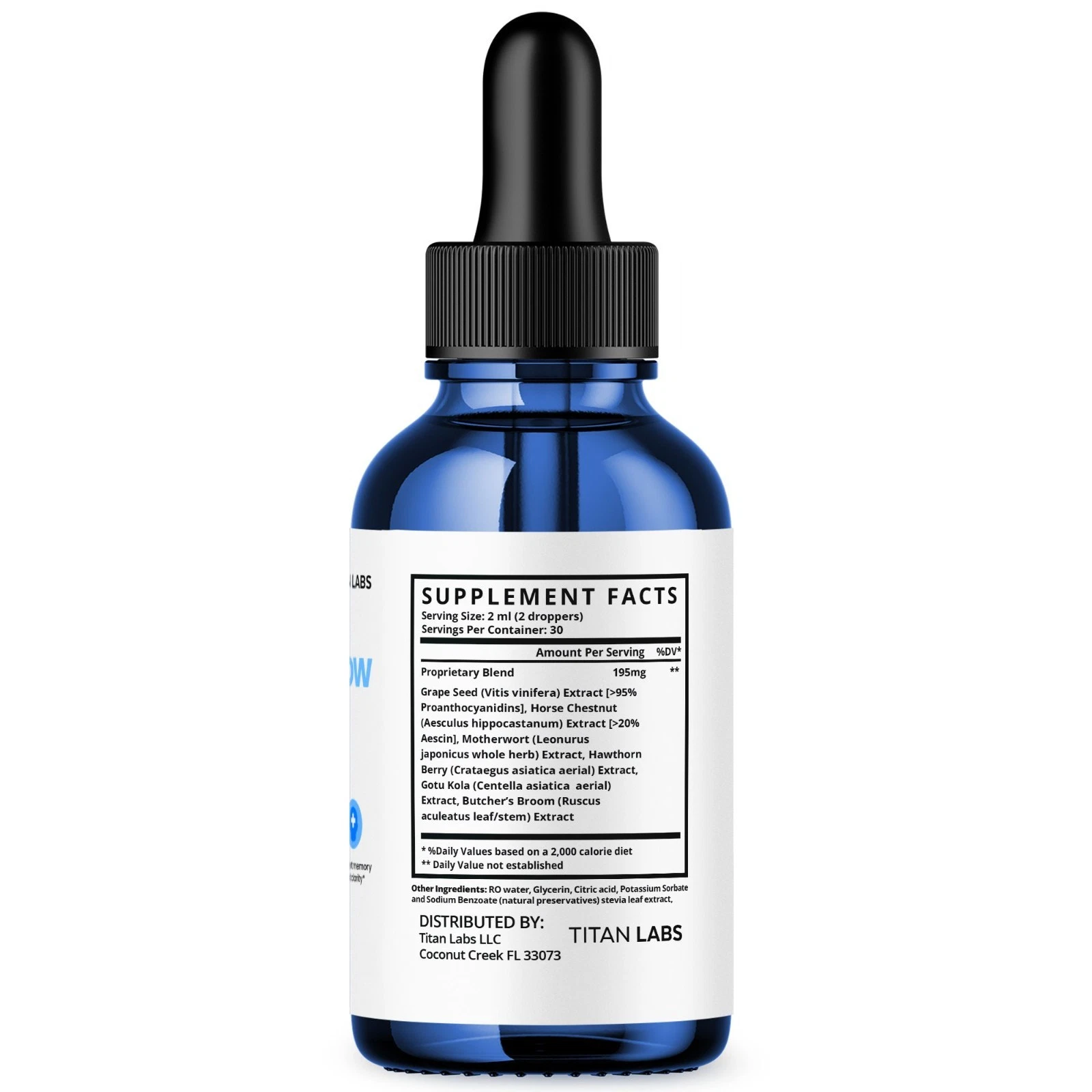
The Supplement Facts panel lists one of 195 mg per 2 ml serving. Six herbal extracts are inside, listed in this order. By label rules, ingredients in a blend are listed from most to least by weight, so grape seed is the largest share and butcher’s broom the smallest.

The label does not say how much of each herb is inside.

MemoFlow Supplement Facts panel
The back label: 2 ml serving, 30 servings, proprietary blend 195 mg.
Blend total: 195 mg. %DV not established.
OrderIngredientLatin name and partStandardized to
1Grape seed extractVitis vinifera>95% proanthocyanidins
2Horse chestnut extractAesculus hippocastanum>20% aescin
3Motherwort extractLeonurus japonicus, whole herb
4Hawthorn berry extractCrataegus asiatica, aerial
5Gotu kola extractCentella asiatica, aerial
6Butcher’s broom extractRuscus aculeatus, leaf/stem

Each MemoFlow herb, one by one

What it is, what research says and what to watch for.

Circulation

Horse chestnut extract

Aesculus hippocastanum · >20% aescin

  • Seed extract standardized here to more than 20% aescin, its main active compound.
  • A 2012 review found it can improve symptoms of chronic venous insufficiency (poor leg-vein circulation).
  • One study found it comparable to compression stockings.
  • Studied short-term, up to 12 weeks.

Watch for: Raw seeds, bark, flowers and leaves are toxic; only processed seed extract is used. Dizziness, stomach upset, headache, itching. Source: National Center for Complementary and Integrative Health, “Horse Chestnut: Usefulness and Safety”.

Heart (traditional)

Motherwort extract

Leonurus japonicus, whole herb

  • Leonurus japonicus, whole herb, a traditional East Asian herb.
  • Traditionally used for heart and women’s health.
  • We could not open a reviewed government or cancer-center summary, so we make no claim about it.

Watch for: Ask a doctor, especially in pregnancy or if you take heart medicine.

Mind (marketed)

Gotu kola extract

Centella asiatica, aerial

  • Centella asiatica, aerial parts; promoted for circulation, wound healing and thinking.
  • A meta-analysis did not find strong enough evidence for cognitive function.
  • Larger, well-designed studies are needed.

Watch for: Skin rash; rare liver toxicity reports. May affect how some drugs are broken down (CYP450). Source: Memorial Sloan Kettering Cancer Center, “Gotu Kola (About Herbs)”.

Circulation

Butcher’s broom extract

Ruscus aculeatus, leaf/stem

  • Ruscus aculeatus, leaf and stem.
  • Small trials show benefit in chronic venous insufficiency of the legs.
  • Long-term safety and effectiveness are not known.

Watch for: Diarrhea, itching. Memorial Sloan Kettering says not to use it if you have diabetes (ketoacidosis has been reported). Source: Memorial Sloan Kettering Cancer Center, “Butcher's Broom (About Herbs)”.

The honest problem: the blend and the fit

Two things stand out. First, the amounts. 195 mg shared by six herbs averages about 33 mg each if split evenly, and the real split is not published. Second, the fit. Horse chestnut and butcher’s broom are leg-vein herbs. Hawthorn and motherwort are heart herbs. Grape seed is studied for blood pressure. Only gotu kola is sold for the mind, and the evidence for that is weak.

The idea behind the formula seems to be that better circulation supports the brain. That is a reasonable theory. It is not the same as evidence that these herbs improve memory or focus.

Other ingredients

IngredientWhy it is there
RO waterPurified water; the liquid base
GlycerinSweet-tasting liquid that helps extract and carry the herbs
Citric acidAdjusts acidity and flavor
Potassium sorbate, sodium benzoatePreservatives (the label calls them natural preservatives)
Stevia leaf extractSweetener; no sugar listed

No alcohol, caffeine, vitamins or minerals are listed.

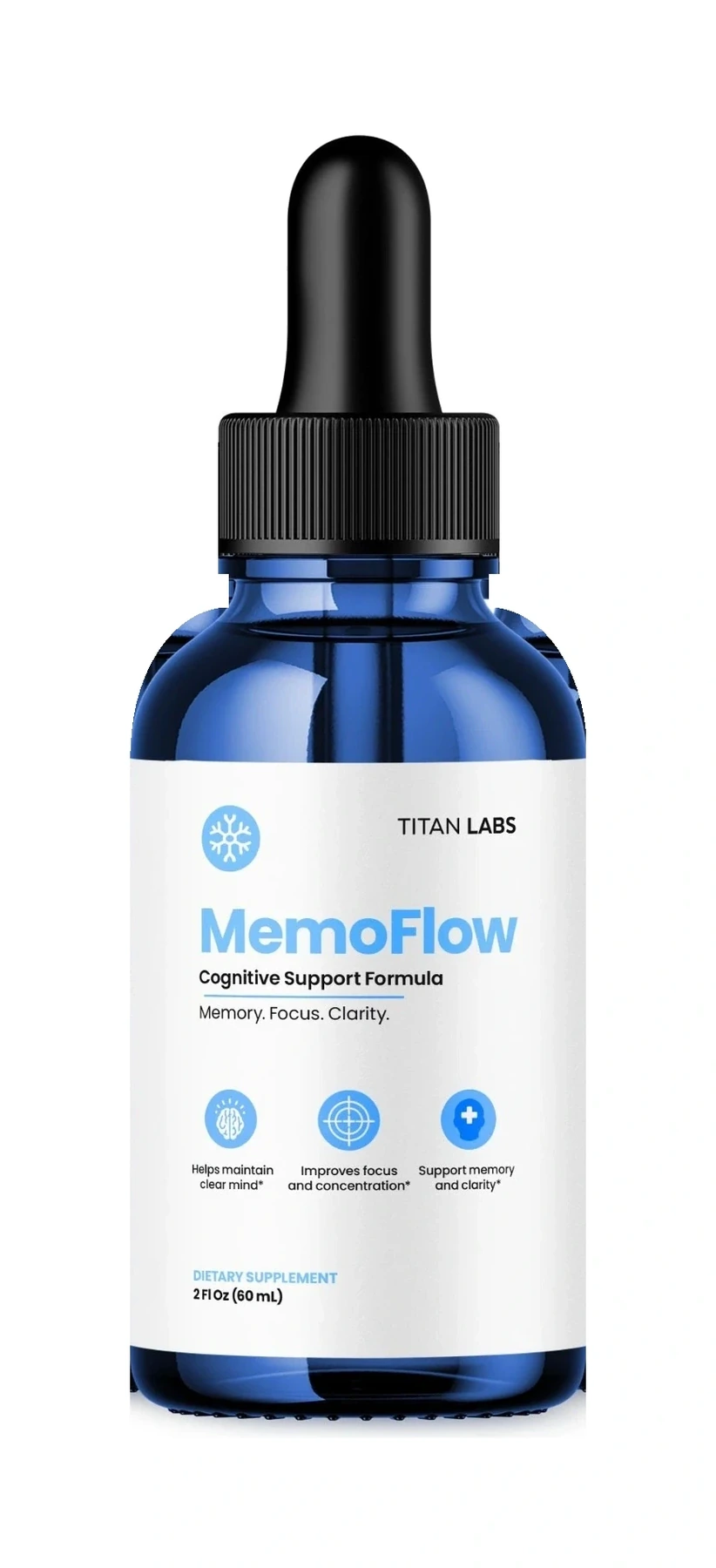
One bottle of MemoFlow drops

Want to read the label in person? Start with one bottle of MemoFlow.

Check today’s price

MemoFlow ingredients: questions

More answers on the full FAQ page.

What are the ingredients in MemoFlow?

A 195 mg proprietary blend of grape seed, horse chestnut, motherwort, hawthorn berry, gotu kola and butcher’s broom extracts.

How much of each herb is in MemoFlow?

Not listed. The label gives only the 195 mg blend total. Spread evenly, that would be about 33 mg each, but the real split is not published.

Does MemoFlow contain sugar?

The label lists stevia leaf extract as a sweetener and glycerin; no sugar is listed. Other ingredients: RO water, glycerin, citric acid, potassium sorbate and sodium benzoate (natural preservatives), stevia leaf extract.

Is MemoFlow alcohol-based?

No alcohol is listed. The base is RO (purified) water and glycerin.

Does MemoFlow have side effects?

None are listed. The herbs have known ones: horse chestnut can cause dizziness or stomach upset; hawthorn can cause dizziness and nausea; gotu kola has rare liver reports.

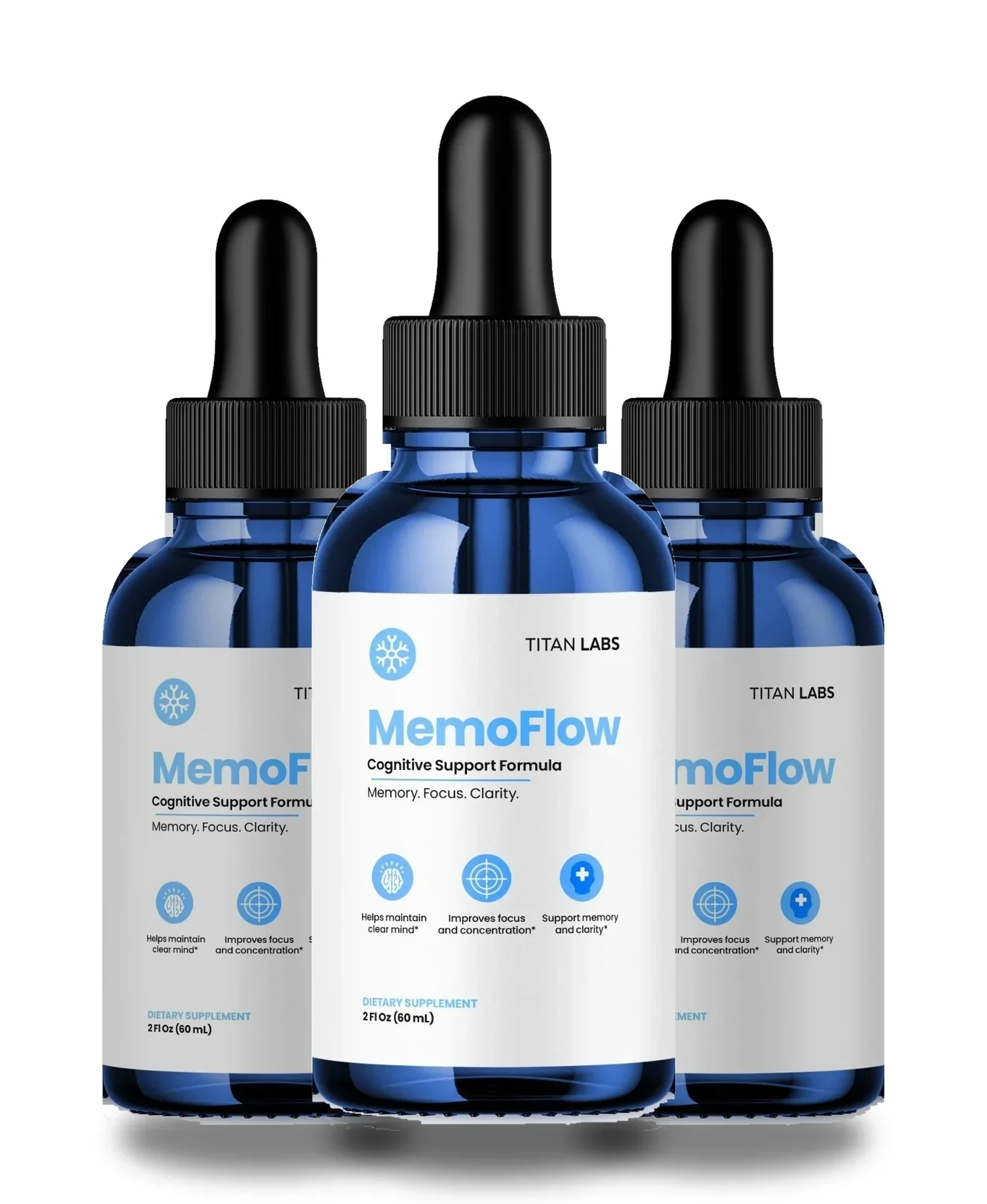
Three bottles of MemoFlow cognitive support drops

Ready to try MemoFlow?

Pick a pack and see the price at checkout. The money-back guarantee is as printed on the listing. Questions first? Call the order desk at +1 (302) 200-3480.

Sold through a USA authorized MemoFlow retailer. This site is not the manufacturer and earns when you buy.

MemoFlow · 2 ml a day30 servings a bottle

Add To Cart