From the blog
What a 195 mg Proprietary Blend Really Means on a Supplement Label
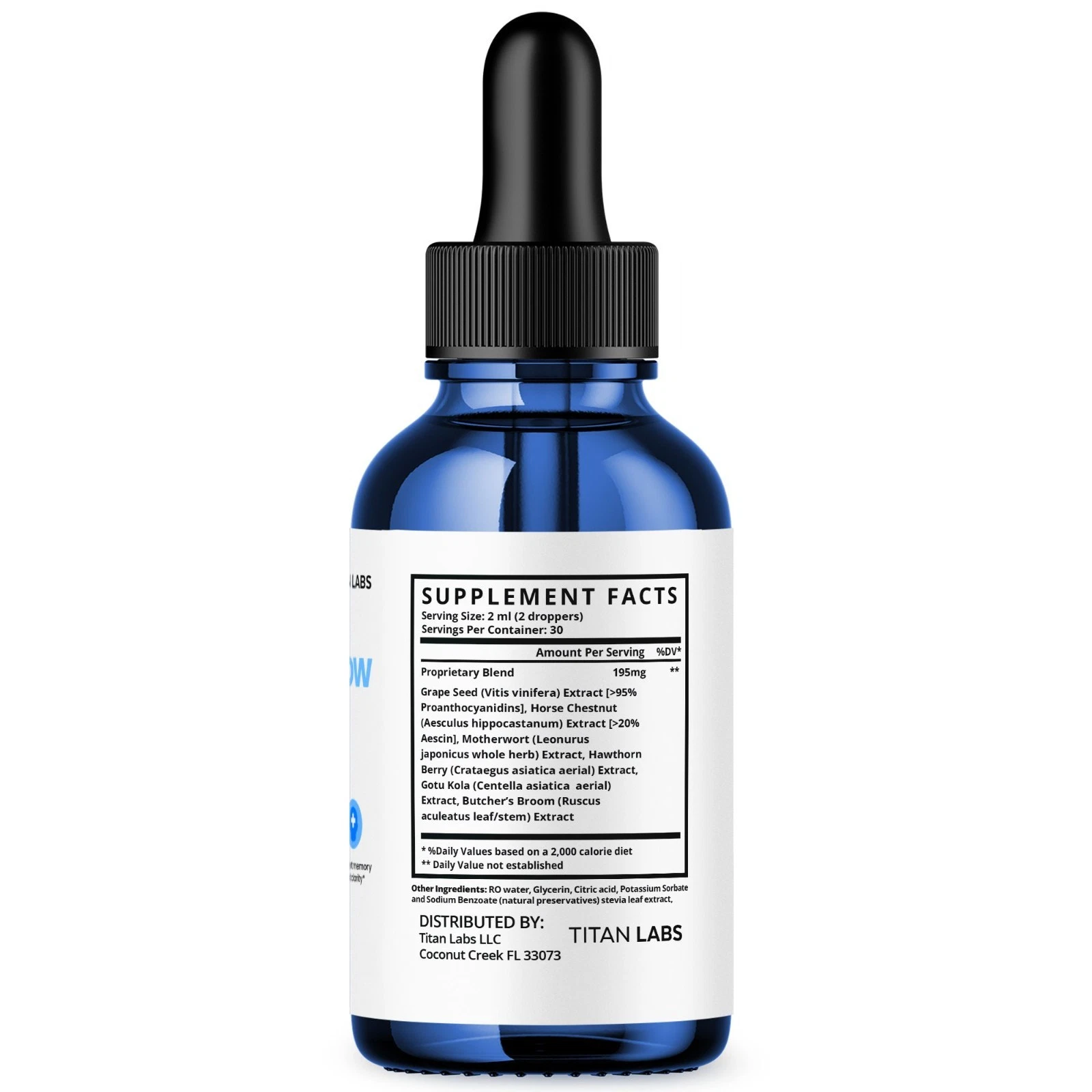
A proprietary blend lists one total weight for several ingredients without saying how much of each is inside. MemoFlow’s blend is 195 mg per 2 ml for six herbs. Split evenly, that is about 33 mg each, but the real split is not published. Ingredients are listed from most to least by weight.
What “proprietary blend” means
On a Supplement Facts panel, most ingredients get their own line and their own amount. A proprietary blend is different. It gives one name and one total weight, then lists the ingredients inside without saying how much of each.
Blends are legal in the US. Makers often say they protect a secret recipe. But for buyers, they create a real problem: you cannot compare the dose of any single ingredient with what research used.
The MemoFlow blend, read line by line
The MemoFlow label shows a serving size of 2 ml (2 droppers) and 30 servings per bottle. Under that is one line: “Proprietary Blend 195mg,” with two asterisks meaning the Daily Value is not established.
Six herbal extracts follow: grape seed (standardized to more than 95% proanthocyanidins), horse chestnut (more than 20% aescin), motherwort, hawthorn berry, gotu kola and butcher’s broom.
| Order | Herb | Standardized to |
|---|---|---|
| 1 | Grape seed extract | >95% proanthocyanidins |
| 2 | Horse chestnut extract | >20% aescin |
| 3 | Motherwort extract | — |
| 4 | Hawthorn berry extract | — |
| 5 | Gotu kola extract | — |
| 6 | Butcher’s broom extract | — |
The math: what 195 mg could mean
195 mg is less than a quarter of a gram. If the six herbs were split evenly, each would be about 33 mg. That is only an illustration; the real split is not published.
By US label rules, blend ingredients are listed in order of weight, from most to least. So grape seed is the largest share and butcher’s broom the smallest. Beyond that order, anything else is a guess.
| Scenario | Largest herb | Smallest herb |
|---|---|---|
| Even split | ~33 mg | ~33 mg |
| Top-heavy (example) | Over 100 mg | A few mg |
| Actual | Not published | Not published |
Why the amount matters
Herbal research usually tests a specific extract at a specific daily dose. If a product contains much less, you cannot assume it will do what the study saw.
For example, NCCIH describes research on horse chestnut seed extract for leg-vein symptoms (National Center for Complementary and Integrative Health, “Horse Chestnut: Usefulness and Safety”), and on grape seed extract for blood pressure (National Center for Complementary and Integrative Health, “Grape Seed Extract: Usefulness and Safety”). Without knowing MemoFlow’s amounts, you cannot compare.
Standardized vs. not standardized
Two of the six herbs state a standard. Grape seed must be more than 95% proanthocyanidins, and horse chestnut more than 20% aescin. That tells you something about quality and strength per milligram.
The other four herbs give no standard. That is common, but it means their strength can vary from batch to batch.
| Herb | Standard stated? |
|---|---|
| Grape seed | Yes, >95% proanthocyanidins |
| Horse chestnut | Yes, >20% aescin |
| Motherwort | No |
| Hawthorn berry | No |
| Gotu kola | No |
| Butcher’s broom | No |
Does a small blend mean it does nothing?
Not necessarily. Some compounds work at small doses, and some people simply like a gentle daily routine. But a small, hidden blend means you should keep expectations modest and judge by your own notes.
It also matters what the herbs are for. Five of these six are best known for circulation or the heart. The one sold for the mind, gotu kola, has weak evidence for cognition (Memorial Sloan Kettering Cancer Center, “Gotu Kola (About Herbs)”).
Questions to ask the seller
- How many milligrams of each herb are in 2 ml?
- Is gotu kola standardized to any compound?
- Is there a certificate of analysis for my lot?
- Who manufactures it, and where?
- How long is the money-back window in days?
A good seller should answer without fuss. Write down the answers and compare them with your bottle.
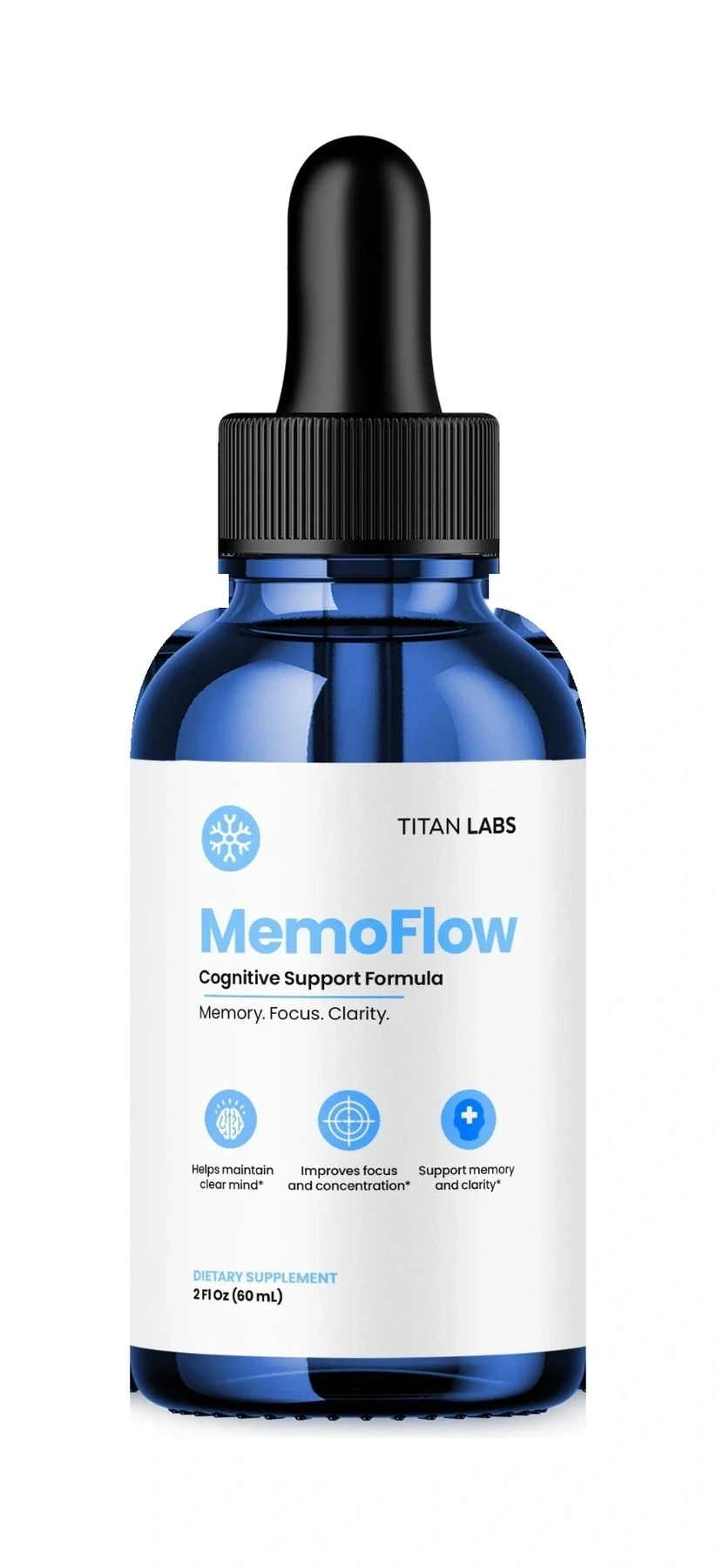
See the full MemoFlow label and packs.
Check today’s priceHow to compare with other products
When you compare brain supplements, line up the ingredient you care about and the amount per day. Products that list each amount let you do that. Blends do not.
If two products cost about the same and one lists every amount, the transparent one gives you more information for the same money.
| Label style | What you can compare |
|---|---|
| Each ingredient with an amount | Dose vs. research, dose vs. other products |
| Blend with a total | Only the total and the order |
| No panel shown | Nothing; a red flag |
Why makers use blends
There are a few honest reasons and a few convenient ones. Some makers say a blend protects a recipe that took work to develop. Others use blends because the exact ratio changes with each batch of raw herbs. And some use blends because showing small individual amounts would not look impressive next to competitors.
From the buyer’s side, the reason matters less than the result: you cannot see the dose. That is why independent reviewers, pharmacists and doctors tend to prefer labels with each amount listed.
| Reason given | What it means for you |
|---|---|
| Protecting a recipe | You still cannot compare doses |
| Batch-to-batch variation | Strength may vary between bottles |
| Marketing | Small doses stay hidden |
Liquid blends: extra things to know
Liquid supplements add a twist. The 195 mg sits in 2 ml of liquid made mostly of water and glycerin, with preservatives and stevia. That is normal for dropper products and makes them easy to take.
But liquids depend on you measuring well. Two full droppers is 2 ml. A few drops is far less. MemoFlow’s own listing image says “2 drops,” while the label says 2 ml. If you follow the image, you would get a small fraction of the labeled serving. Follow the label.
- Shake well before each dose, as the label says.
- Fill the dropper fully, twice.
- Use within 60 days of opening.
- Store at room temperature.
A quick way to judge any blend
Find the total
The number next to the blend name.
Count the ingredients
Divide the total by the count for a rough average.
Check the order
The first ingredient is the largest.
Compare with research
If studies used hundreds of milligrams of one herb, a small blend cannot match that.
What a transparent label would look like
A fully transparent version of this label would list each herb with its own amount, for example “Grape seed extract 80 mg, horse chestnut extract 50 mg,” and so on, adding up to 195 mg. It would also state standards for all six herbs.
Those numbers are an example of format only, not MemoFlow’s real split. If the seller ever publishes the real amounts, we will add them here.
The bottom line
A 195 mg proprietary blend tells you the total weight and the order of six herbs, and nothing about how much of each you get. That is legal and common. It is also the main reason we keep our expectations for MemoFlow modest.
Read the panel, ask for amounts, and judge any supplement by your own simple notes over a few weeks.
Sources
- National Center for Complementary and Integrative Health. Horse Chestnut: Usefulness and Safety. NCCIH, updated April 2025. Checked September 22, 2026.
- National Center for Complementary and Integrative Health. Grape Seed Extract: Usefulness and Safety. NCCIH, updated February 2025. Checked September 22, 2026.
- Memorial Sloan Kettering Cancer Center. Gotu Kola (About Herbs). MSK integrative medicine database. Checked September 22, 2026.
Questions on this topic
More answers on the full FAQ page.
What is a proprietary blend?
A group of ingredients listed with one total weight, without individual amounts.
How much of each herb is in MemoFlow?
Not published. The blend total is 195 mg per 2 ml.
Which MemoFlow herb is the largest share?
Grape seed, because blend ingredients are listed from most to least by weight.
Are proprietary blends legal?
Yes, in the US, as long as the total and the ingredients are listed.
Ready to try MemoFlow?
Pick a pack and see the price at checkout. The money-back guarantee is as printed on the listing. Questions first? Every desk is listed on the contact page.
Sold through a USA authorized MemoFlow retailer. This site is not the manufacturer and earns when you buy.Keep reading
Gotu kola and memory
Gotu kola (Centella asiatica) and memory: traditional uses, what a meta-analysis found, si…
Read more →Circulation herbs and the brain
Horse chestnut, butcher’s broom, hawthorn and grape seed in brain supplements: what each i…
Read more →MemoFlow ingredients
The six herbs in the 195 mg blend.
Read more →