From the blog
Circulation Herbs and the Brain: Horse Chestnut, Butcher’s Broom, Hawthorn and More
Many brain supplements use circulation herbs on the theory that better blood flow supports thinking. Horse chestnut and butcher’s broom are studied for leg-vein problems, grape seed for blood pressure, and hawthorn for the heart. None is proven to improve memory. Key cautions: diabetes (butcher’s broom) and heart medicine (hawthorn).
The theory: blood flow feeds the brain
Your brain is small but hungry. It uses a large share of the body’s oxygen and depends on steady blood flow. Conditions that damage blood vessels, like high blood pressure and diabetes, are linked to worse brain health over time.
From there, supplement makers reason that herbs which support circulation might support the brain. It is a tidy idea. The problem is that most of these herbs were studied for veins in the legs or for the heart, not for memory.
Horse chestnut
Horse chestnut seed extract is the best-studied herb in this group. NCCIH reports that a 2012 systematic review found it can improve symptoms of chronic venous insufficiency, a condition where leg veins struggle to return blood to the heart. One study suggested it may work about as well as compression stockings (National Center for Complementary and Integrative Health, “Horse Chestnut: Usefulness and Safety”).
The main active compound is aescin. MemoFlow’s label lists horse chestnut extract standardized to more than 20% aescin.
Butcher’s broom
Butcher’s broom is another leg-vein herb. Memorial Sloan Kettering notes that studies show benefit in chronic venous insufficiency of the legs, mostly in small trials, and that long-term safety and effectiveness are not known (Memorial Sloan Kettering Cancer Center, “Butcher's Broom (About Herbs)”).
MSK also gives a clear warning: do not use it if you have diabetes, because diabetic ketoacidosis has been reported.
Hawthorn
Hawthorn is a traditional heart herb. NCCIH says there is little or no quality evidence for most uses and conflicting evidence in heart failure. Side effects include dizziness, nausea and digestive upset, and it may interact with heart medicines such as digoxin (National Center for Complementary and Integrative Health, “Hawthorn: Usefulness and Safety”).
Grape seed extract
Grape seed extract is rich in proanthocyanidins. NCCIH reports that a 2022 review found it lowered diastolic blood pressure, and a 2020 analysis suggested possible benefits for LDL cholesterol (National Center for Complementary and Integrative Health, “Grape Seed Extract: Usefulness and Safety”). It is generally well tolerated.
| Herb | Studied for | Key caution |
|---|---|---|
| Horse chestnut | Leg-vein symptoms | Raw plant toxic; use extracts only |
| Butcher’s broom | Leg-vein symptoms | Not for people with diabetes |
| Hawthorn | Heart failure (conflicting) | Heart-drug interactions |
| Grape seed | Blood pressure, LDL | Generally well tolerated |
| Motherwort | Traditional heart use | No reviewed summary checked |
So do they help memory?
Not that we can show. None of the sources we checked reports these herbs improving memory or focus in people. The link is a theory built on their circulation effects.
That does not make them useless. It means a “memory” label on a circulation formula is a stretch, and buyers should expect little on that front.
Safety when herbs are combined
Combining several herbs that act on blood vessels and the heart can add up. That matters most for people on blood-pressure, heart or blood-thinning medicines, and for people with diabetes.
The MemoFlow label itself says to check with your doctor before use if you take medication or have a medical condition. That is good advice for any product like this.
- Tell your doctor and pharmacist every supplement you take.
- Do not combine several circulation products.
- Stop and seek help for fainting, a racing heartbeat or severe dizziness.
What supports brain blood flow reliably
The best-supported ways to protect brain blood flow are not herbs. They are regular exercise, controlling blood pressure, not smoking, managing blood sugar, sleeping well and eating plenty of plants and fish.
These habits protect the heart and brain together, and they have far stronger evidence than any single herb.
| Habit | Why it helps |
|---|---|
| Daily brisk walk | Heart and vessel fitness |
| Blood-pressure checks | High pressure damages small brain vessels |
| No smoking | Protects vessel linings |
| Good sleep | Supports memory storage |
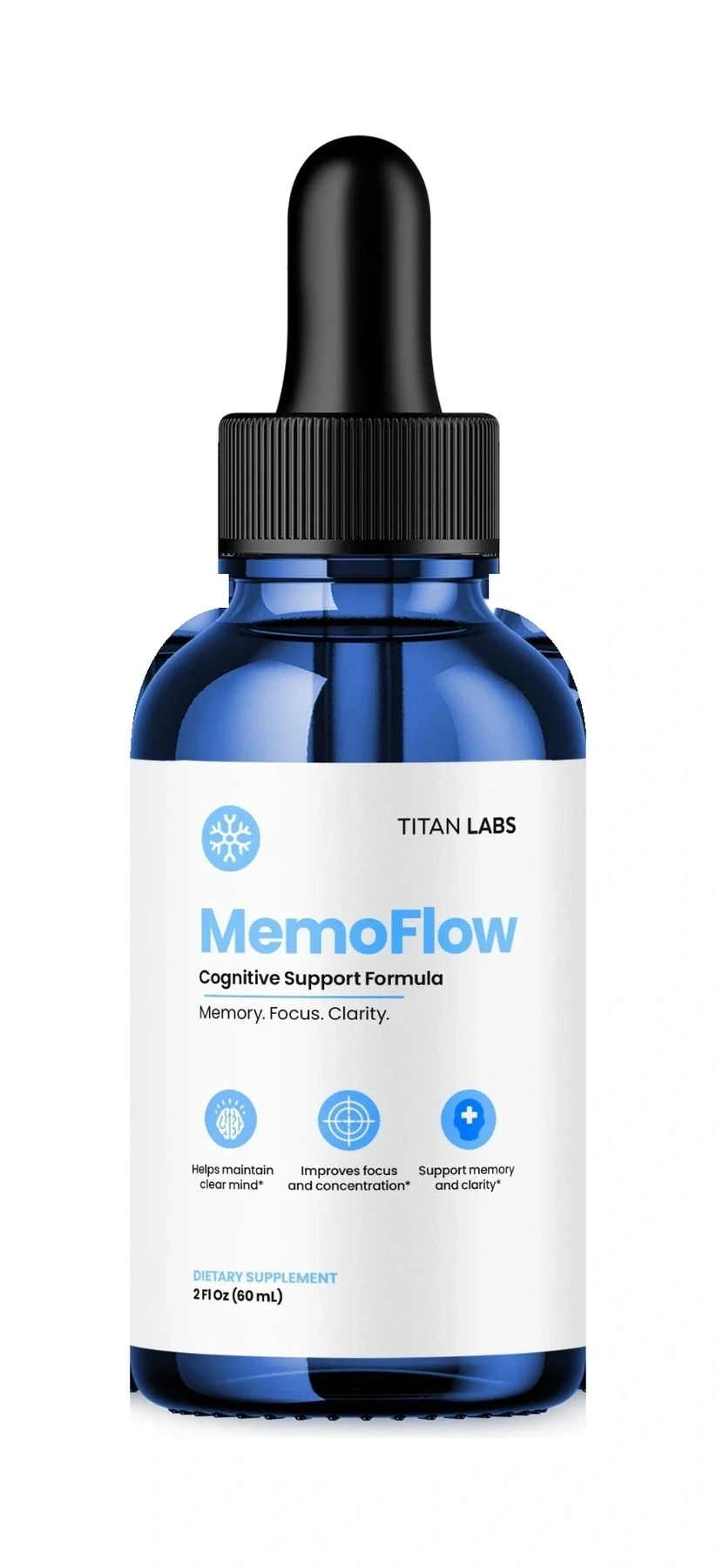
MemoFlow combines circulation herbs with gotu kola. Read the label first.
Check today’s priceReading a circulation-heavy label
When a brain product lists mostly vein and heart herbs, ask what the claim on the front is really based on. “Memory, focus, clarity” on the front and horse chestnut, butcher’s broom and hawthorn on the back is a sign the formula leans on the blood-flow theory.
That is not dishonest by itself, but it deserves plain words on the site that sells it. That is what we have tried to give here.
| Front says | Back shows | Question to ask |
|---|---|---|
| Memory | Vein herbs | Is any herb studied for memory? |
| Focus | No stimulants | What would improve focus? |
| Clarity | Gotu kola | How much, and what standard? |
Who should be most careful
- People with diabetes (butcher’s broom).
- People taking heart drugs such as digoxin (hawthorn).
- People on blood thinners or blood-pressure medicine.
- People with liver problems (gotu kola in the same blend).
- Anyone pregnant or breastfeeding.
For these groups, a talk with a doctor or pharmacist before starting is not optional; it is the safe first step.
Motherwort: the unknown one
Motherwort, Leonurus japonicus in MemoFlow, is a traditional East Asian herb historically used for the heart and for women’s health. We could not open a reviewed government or cancer-center summary for it, so we make no claims about what it does or its safety.
When a product contains an herb with little reviewed information, the safest approach is to ask a pharmacist, especially if you are pregnant or take heart medicine.
How long these herbs were studied
| Herb | Study length noted in our sources |
|---|---|
| Horse chestnut | Short-term, up to 12 weeks |
| Hawthorn | No safety data beyond 16 weeks |
| Butcher’s broom | Long-term safety not known |
| Grape seed | Reviews of multiple trials |
Short study periods mean long-term daily use is less well understood. That is another reason to review any supplement with your doctor every few months.
Why “natural” is not the same as “safe”
Every herb here is natural, and several carry real cautions: raw horse chestnut is toxic, butcher’s broom is not advised with diabetes, hawthorn may clash with heart drugs, and gotu kola has rare liver reports. Natural products can be useful, but they deserve the same care as medicines when you have a health condition.
A simple test plan
Check with your doctor first
Especially if you have diabetes or take heart medicine.
Keep notes
Weekly focus, memory slips and sleep, 1 to 5.
Watch for side effects
Dizziness, stomach upset, rash.
Review after a month
Continue only if you see a clear change.
The bottom line
MemoFlow is built mainly on circulation and heart herbs. Horse chestnut and butcher’s broom have real evidence for leg veins; grape seed for blood pressure. None is proven for memory. If you try a blend like this, check with your doctor first, especially with diabetes or heart medicine.
Sources
- National Center for Complementary and Integrative Health. Horse Chestnut: Usefulness and Safety. NCCIH, updated April 2025. Checked September 22, 2026.
- Memorial Sloan Kettering Cancer Center. Butcher's Broom (About Herbs). MSK integrative medicine database. Checked September 22, 2026.
- National Center for Complementary and Integrative Health. Hawthorn: Usefulness and Safety. NCCIH, current page. Checked September 22, 2026.
- National Center for Complementary and Integrative Health. Grape Seed Extract: Usefulness and Safety. NCCIH, updated February 2025. Checked September 22, 2026.
Questions on this topic
More answers on the full FAQ page.
Is horse chestnut safe?
Processed seed extract is studied short-term; raw plant parts are toxic.
Who should avoid butcher’s broom?
People with diabetes, per Memorial Sloan Kettering.
Does hawthorn interact with heart drugs?
It may, including with digoxin. Ask your doctor.
Do circulation herbs improve memory?
Not that the sources we checked show.
Ready to try MemoFlow?
Pick a pack and see the price at checkout. The money-back guarantee is as printed on the listing. Questions first? Every desk is listed on the contact page.
Sold through a USA authorized MemoFlow retailer. This site is not the manufacturer and earns when you buy.Keep reading
What a 195 mg blend means
What a 195 mg proprietary blend on a supplement label means: how blends work, the math acr…
Read more →Gotu kola and memory
Gotu kola (Centella asiatica) and memory: traditional uses, what a meta-analysis found, si…
Read more →MemoFlow ingredients
The six herbs in the 195 mg blend.
Read more →