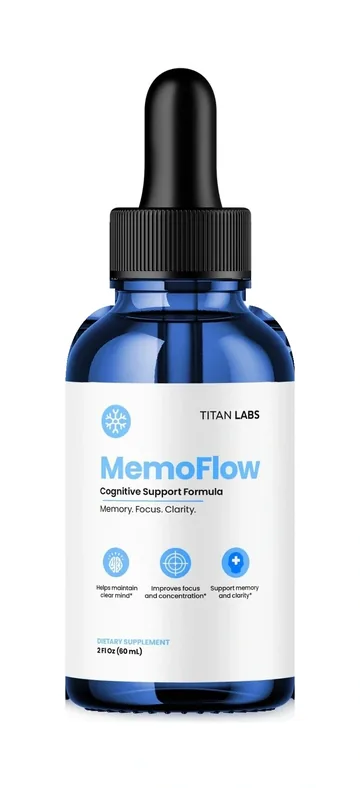
Label reading
MemoFlow Ingredients List: 7 Checks on the Memo Flow Label
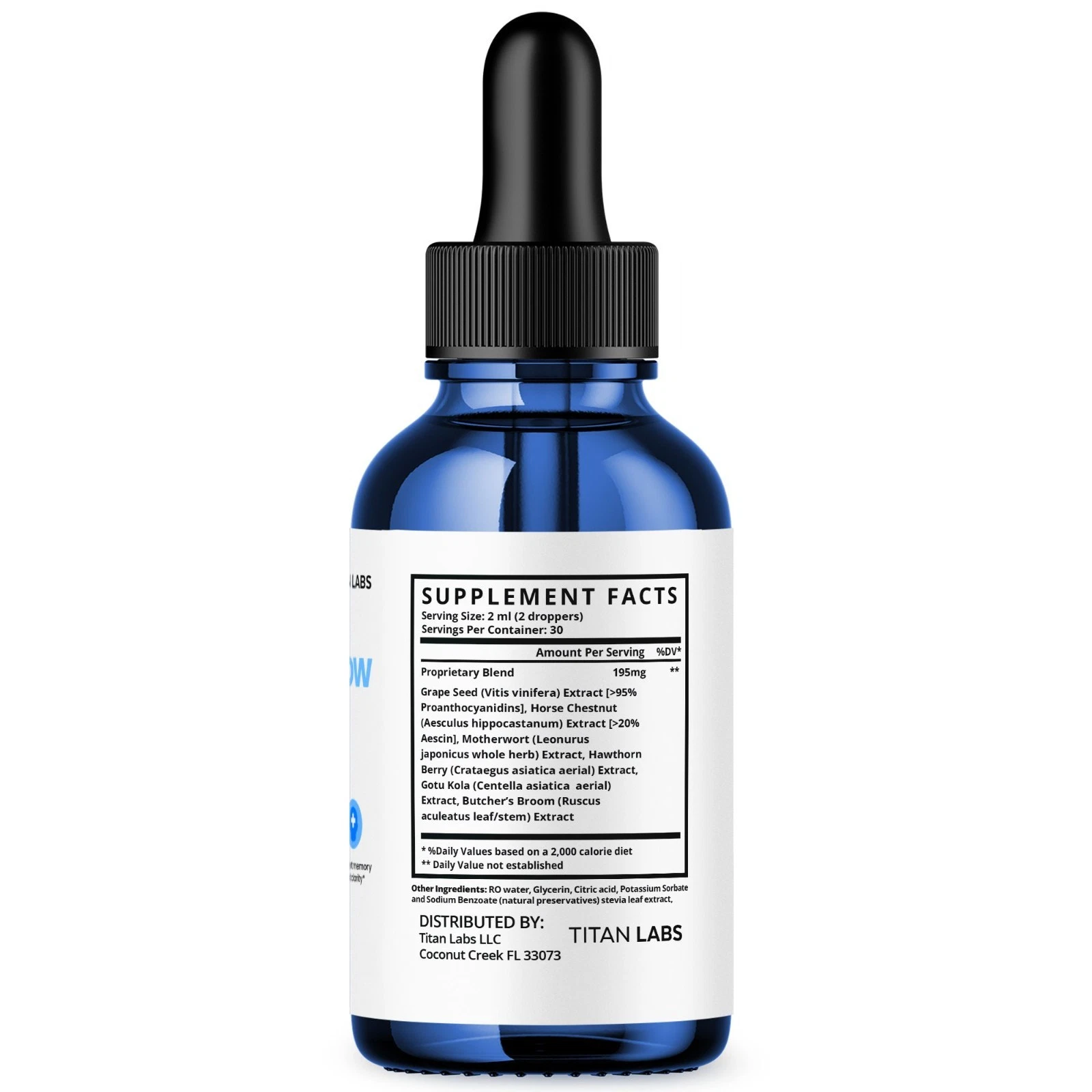
MemoFlow ingredients are six herbal extracts in one 195 mg proprietary blend per 2 ml serving: grape seed, horse chestnut, motherwort, hawthorn berry, gotu kola and butcher’s broom, listed from most to least by weight. Only grape seed and horse chestnut state a standard, and the amount of each herb is not printed. The base is RO water, glycerin, citric acid, potassium sorbate, sodium benzoate and stevia leaf extract.
A supplement label is a small document, and most of us skim it. If you want to know what is in Memo Flow, take it slowly. Here are seven checks, from the top of the panel to the bottom. You can follow along with the bottle photos on the listing.
Key facts
- Serving: 2 ml (2 droppers). Servings per container: 30.
- Proprietary blend: 195 mg, Daily Value not established.
- Six extracts, listed in label order: grape seed, horse chestnut, motherwort, hawthorn berry, gotu kola, butcher’s broom.
- Only grape seed (>95% proanthocyanidins) and horse chestnut (>20% aescin) state a standard.
- Other ingredients: RO water, glycerin, citric acid, potassium sorbate, sodium benzoate and stevia leaf extract.
- The label lists no alcohol, caffeine, vitamins or minerals.
Check 1: What is the serving size on the Memo Flow label?
The panel starts with the serving size: 2 ml, which the label gives as 2 droppers. Under it is the number of servings per container, 30. A bottle holds 2 fl oz, or 60 mL. Two milliliters times 30 servings makes 60 mL, so the numbers fit.
Everything else on the panel is “per serving.” When the label says 195 mg, it means 195 mg in each 2 ml dose, not in the whole bottle.
Check 2: What does the proprietary blend line tell you?
There is one line for the blend: 195 mg, with the Daily Value marked as not established. A proprietary blend gives one total weight for a group of ingredients. It does not tell you how much of each one you get.
Six extracts sit under that line. If the weight were shared evenly, each would be about 33 mg. That is only arithmetic. The real split is not published, and it could be very different.
Check 3: In what order are the herbs listed?
By label rules, ingredients in a blend are listed from most to least by weight. That puts grape seed first as the largest share by weight and butcher’s broom last. Past that order, the shares are a guess.
| Order | Ingredient | Part and Latin name | Standard stated |
|---|---|---|---|
| 1 | Grape seed extract | Vitis vinifera | >95% proanthocyanidins |
| 2 | Horse chestnut extract | Aesculus hippocastanum | >20% aescin |
| 3 | Motherwort extract | Leonurus japonicus, whole herb | None |
| 4 | Hawthorn berry extract | Crataegus asiatica, aerial | None |
| 5 | Gotu kola extract | Centella asiatica, aerial | None |
| 6 | Butcher’s broom extract | Ruscus aculeatus, leaf and stem | None |
Check 4: Which herbs state a standard?
A standard says how much of a key plant compound the extract must contain. Grape seed states more than 95% proanthocyanidins. Horse chestnut states more than 20% aescin, its main active compound. The other four state nothing.
That is common, and it is not a flaw by itself. It does mean the strength of those four can differ from one batch to the next, and the label gives you no way to check.
Reading the label closely is a good habit. The bottle photos and checkout terms are there when you are ready.
See today’s price and guaranteeThis site earns when you buy through its links.Check 5: What is each herb known for?
Here is a plain note on each one, from the named public sources.
- Grape seed: a 2022 review of 19 studies found lower diastolic blood pressure, and a 2020 analysis suggested possible benefits for LDL cholesterol (National Center for Complementary and Integrative Health, “Grape Seed Extract: Usefulness and Safety”). It is generally well tolerated.
- Horse chestnut: a 2012 review found that seed extract can improve symptoms of chronic venous insufficiency. Raw seeds, bark, flowers and leaves are toxic, so only processed seed extract is used (National Center for Complementary and Integrative Health, “Horse Chestnut: Usefulness and Safety”).
- Motherwort: a traditional East Asian herb used for the heart and women’s health. We could not open a reviewed government or cancer-center summary for motherwort, so we say nothing about what it does.
- Hawthorn: little or no quality evidence for most uses, conflicting evidence in heart failure, and safety not studied beyond 16 weeks. It may interact with heart drugs such as digoxin (National Center for Complementary and Integrative Health, “Hawthorn: Usefulness and Safety”).
- Gotu kola: promoted for circulation, wound healing and thinking. A meta-analysis did not find strong enough evidence for cognition. Rare liver toxicity has been reported (Memorial Sloan Kettering Cancer Center, “Gotu Kola (About Herbs)”).
- Butcher’s broom: small trials show benefit in leg-vein problems. Long-term safety is not known, and people with diabetes are advised not to use it (Memorial Sloan Kettering Cancer Center, “Butcher's Broom (About Herbs)”).
Check 6: What are the other ingredients?
Below the blend the label lists the base. RO water is purified water and forms the liquid. Glycerin is a sweet-tasting liquid that helps carry the herbs. Citric acid adjusts acidity and flavor. Potassium sorbate and sodium benzoate are preservatives, which the label calls natural. Stevia leaf extract is the sweetener.
No sugar, alcohol, caffeine, vitamins or minerals are listed. If you avoid any of those, the panel gives you the answer. If you have a sensitivity to a preservative or to stevia, ask your doctor before you try it.
Check 7: Do the label claims match the ingredients?
The bottle claims support for a clear mind, focus and concentration, and memory and clarity. Compare that with the list. Four herbs are circulation or heart herbs. Grape seed has been studied for blood pressure. Only gotu kola is sold for thinking, and its evidence is insufficient.
The idea behind the formula is that healthy blood flow supports the brain. That is a reasonable theory. It is not the same as a study showing these herbs improve memory. A label can be honest about what is inside and still stretch about what it does.
| Topic | Label says | Listing image says |
|---|---|---|
| Dose | 2 ml (2 droppers) once daily | Take 2 drops daily after meal |
| Benefit | Helps maintain clear mind; focus; memory and clarity | Nootropic Support for peak cognition |
| Badges | Dietary Supplement | Non GMO, 100% Natural, Gluten Free, Made in the USA |
One more image note. The seller’s “Inside MemoFlow” image shows a white powder under the words product formula. The label lists a liquid blend, so the picture is decoration, not data.
Who should check with a doctor before using these ingredients?
- People who take heart, blood-thinning or diabetes medicine.
- People with diabetes, because of butcher’s broom.
- People with liver problems, because of the gotu kola reports.
- People who are pregnant or breastfeeding. Safety of these herbs there is not established.
- Anyone under 18. The product is for adults 18 and older.
Where do these facts come from?
The panel comes from the bottle label, and each herb note rests on one of the public pages below.
- The MemoFlow bottle label and Supplement Facts panel, as transcribed on this site
- National Center for Complementary and Integrative Health, “Grape Seed Extract: Usefulness and Safety”
- National Center for Complementary and Integrative Health, “Horse Chestnut: Usefulness and Safety”
- National Center for Complementary and Integrative Health, “Hawthorn: Usefulness and Safety”
- Memorial Sloan Kettering Cancer Center, “Gotu Kola (About Herbs)”
- Memorial Sloan Kettering Cancer Center, “Butcher's Broom (About Herbs)”
Frequently asked questions
What is on the Memo Flow ingredients list?
A 195 mg proprietary blend of grape seed, horse chestnut, motherwort, hawthorn berry, gotu kola and butcher’s broom extracts, plus RO water, glycerin, citric acid, potassium sorbate, sodium benzoate and stevia leaf extract.
How many milligrams of each herb does Memo Flow hold?
It is not listed. On the label there is only the 195 mg blend total. Spread evenly it would be about 33 mg each, but the real split is not published.
Does Memo Flow contain sugar or alcohol?
No sugar or alcohol is listed. The sweetener is stevia leaf extract, and the base is RO water and glycerin.
Does Memo Flow contain caffeine, vitamins or minerals?
None is listed on the label.
Which Memo Flow herbs are standardized?
Grape seed (more than 95% proanthocyanidins) and horse chestnut (more than 20% aescin). The other four state no standard.
Is the white powder in the listing image an ingredient?
No. The label lists a liquid blend. The powder in the image is decoration.
Our view
The Memo Flow label is easy to read and honest about its total. It shows the full panel, names every herb and lists the other ingredients. That openness earns it credit.
What it cannot give you is the amount of each herb, and that is the number you would need to compare it with research. If that matters to you, ask the order desk for the individual amounts before you buy, and compare with products that list each dose.
Last updated .
Want to see the label in person?
The full panel is on the bottle photos. The price and the guarantee terms show at checkout before you pay.
This site is run by a USA authorized MemoFlow retailer, not the maker, and earns when you buy through its links.